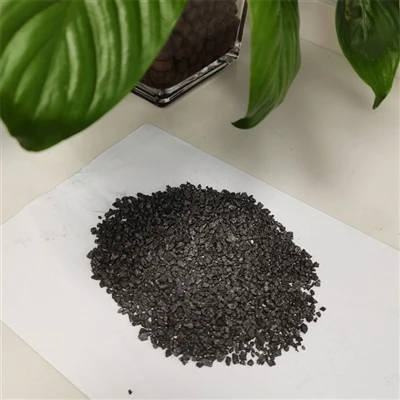
Hey there! As a graphite petroleum coke supplier, I often get asked if graphite petroleum coke can be used in the rubber industry. Well, let's dive right into this topic and find out.
First off, let's understand what graphite petroleum coke is. It's a by - product of the oil refining process. When crude oil is refined, various residues are left behind, and through a series of high - temperature processes, graphite petroleum coke is produced. It has some unique properties that make it an interesting candidate for different industries.
In the rubber industry, the properties of materials are crucial. Rubber products need to have good mechanical properties, such as strength, elasticity, and abrasion resistance. They also need to be able to withstand different environmental conditions. So, can graphite petroleum coke contribute to these requirements?
One of the key aspects is its carbon content. Graphite petroleum coke has a high carbon content, which can potentially enhance the mechanical properties of rubber. Carbon in the form of graphite can act as a reinforcing filler. When added to rubber, it can improve the tensile strength and tear resistance of the rubber compound. For example, in tire manufacturing, where high - strength rubber is essential to withstand the stress of the road, graphite petroleum coke could potentially play a role.
Another important property is its thermal conductivity. Graphite is known for its good thermal conductivity. In rubber applications where heat dissipation is a concern, such as in some industrial rubber products that are exposed to high - temperature environments, the addition of graphite petroleum coke could help in conducting heat away from the rubber. This can prevent overheating of the rubber, which can lead to degradation and reduced performance.
However, there are also some challenges. One of the main concerns is the sulfur content. High sulfur content in graphite petroleum coke can have a negative impact on the rubber. Sulfur can react with the rubber during the vulcanization process, which is a key step in rubber manufacturing. If the sulfur content is too high, it can cause premature vulcanization or affect the cross - linking structure of the rubber, leading to reduced mechanical properties. That's why low - sulfur graphite petroleum coke, like our Low Sulfur 0.05% Graphite Coke, is often preferred in the rubber industry.
Particle size is another factor. The size of the graphite petroleum coke particles can affect how well it disperses in the rubber matrix. If the particles are too large, they may not disperse evenly, which can lead to weak points in the rubber compound. On the other hand, very fine particles may be more difficult to handle during the mixing process. We offer Semi Graphite Petroleum Coke with optimized particle sizes to ensure better dispersion in rubber.


Now, let's talk about the types of rubber products where graphite petroleum coke could potentially be used.
- Tires: As mentioned earlier, tires need to have high strength and good heat - dissipation properties. Graphite petroleum coke could be used as a filler to improve the overall performance of the tire rubber. It could help in reducing the rolling resistance of the tire, which in turn can improve fuel efficiency.
- Industrial rubber seals: In industrial applications, rubber seals are used to prevent leakage of fluids or gases. These seals need to have good mechanical properties and be able to withstand high pressures and temperatures. Graphite petroleum coke can enhance the strength and thermal stability of the rubber used in these seals.
- Rubber gaskets: Similar to seals, gaskets are used to provide a tight seal between two surfaces. The addition of graphite petroleum coke can improve the compression set resistance and durability of the gaskets.
We also offer Graphite Instant Columnar Recarburizer, which can be used in some rubber applications where precise control of carbon content is required.
In terms of the production process, incorporating graphite petroleum coke into rubber involves mixing it with the rubber compound. This requires proper mixing equipment to ensure uniform dispersion. The mixing process needs to be carefully controlled to avoid agglomeration of the graphite petroleum coke particles.
When it comes to cost - effectiveness, graphite petroleum coke can be a viable option. Compared to some other high - performance fillers, it can offer a good balance between cost and performance. However, the exact cost - benefit analysis will depend on the specific requirements of the rubber product and the market prices of graphite petroleum coke.
In conclusion, graphite petroleum coke has the potential to be used in the rubber industry. Its high carbon content, thermal conductivity, and reinforcing properties make it an attractive option. But, we need to pay attention to factors like sulfur content and particle size. As a supplier, we are committed to providing high - quality graphite petroleum coke products that meet the specific needs of the rubber industry.
If you're in the rubber industry and are interested in exploring the use of graphite petroleum coke in your products, I'd love to have a chat with you. We can discuss your specific requirements, the best product options for you, and how we can work together to improve the performance of your rubber products. Don't hesitate to reach out and start a conversation about potential procurement and collaboration.
References:
- "Rubber Technology" by Maurice Morton
- "Carbon Materials in Industrial Applications" by John Doe