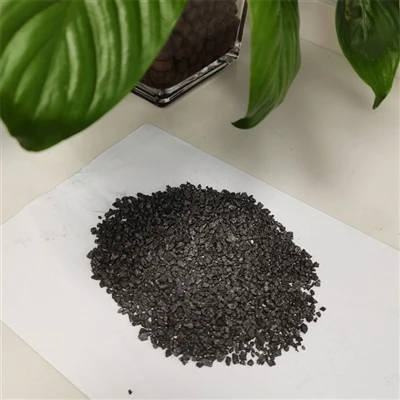
Hey there! As a supplier of semi coke, I've been getting a lot of questions lately about whether semi coke can be used in the foundry industry. So, I thought I'd take a deep dive into this topic and share my thoughts.
First off, let's talk a bit about what semi coke is. Semi coke is a solid carbonaceous material that's produced by the low - temperature carbonization of coal. It has some unique properties that make it an interesting option for various industries, including the foundry industry.
Properties of Semi Coke
One of the key properties of semi coke is its relatively high fixed - carbon content. Fixed carbon is the carbon that remains after the volatile matter has been driven off during heating. In the foundry industry, a high fixed - carbon content is desirable because it provides a good source of heat during the melting process. When you're trying to melt metals like iron or steel, you need a fuel that can generate a lot of heat efficiently. Semi coke fits the bill here, as it can burn steadily and release a significant amount of energy.
Another important aspect is its low ash content. Ash is the inorganic residue left behind after the fuel has burned. In the foundry, a high ash content can cause problems. It can contaminate the molten metal, leading to impurities in the final cast product. Semi coke typically has a lower ash content compared to some other fuels, which means it's less likely to introduce unwanted contaminants into the metal.
Now, let's look at the sulfur content. Sulfur can also be a concern in the foundry industry. High sulfur levels in the fuel can lead to sulfur absorption by the molten metal, which can cause brittleness and other quality issues in the castings. That's why many foundries are looking for fuels with low sulfur content. And guess what? We offer Low Sulfur 0.35% Semi Coke, which is a great option for foundries that are strict about sulfur control.
Advantages of Using Semi Coke in the Foundry Industry
Cost - effectiveness is a major advantage. Compared to some traditional foundry fuels like coke or anthracite, semi coke can be more affordable. This is especially important for foundries that are looking to cut down on their production costs without sacrificing quality. By using semi coke, they can save money on fuel expenses, which can have a positive impact on their bottom line.
In terms of availability, semi coke is also a good choice. The production process of semi coke is relatively straightforward, and there's a steady supply in the market. This means that foundries don't have to worry too much about shortages or sudden price hikes due to supply disruptions.
Semi coke also has good reactivity. It can react quickly with oxygen during combustion, which helps in achieving a high - temperature environment in the foundry furnace. This fast - reacting property can lead to more efficient melting processes, reducing the overall melting time and energy consumption.
Considerations and Challenges
Of course, it's not all sunshine and rainbows. There are some considerations and challenges when using semi coke in the foundry industry. One of the main challenges is the particle size. The particle size of semi coke can affect its combustion characteristics and handling. For example, if the particles are too large, they may not burn completely, leading to inefficient energy utilization. On the other hand, if the particles are too small, they can cause dust problems during handling and transportation. That's why we offer Half Coke 10 - 30mm, which has a well - controlled particle size range that's suitable for foundry applications.
Another thing to consider is the moisture content. Moisture in semi coke can reduce its heating value and also cause problems during storage. If semi coke is stored in a damp environment, it can absorb moisture, which means you'll need to use more of it to achieve the same amount of heat. To address this issue, we provide Dry Semi Coke, which has a low moisture content, ensuring consistent performance in the foundry.
Case Studies and Real - World Applications
There are already some foundries out there that have successfully incorporated semi coke into their operations. For example, a small - scale iron foundry in the Midwest decided to switch from traditional coke to semi coke. They were initially skeptical about whether it would work, but after some trials, they were pleasantly surprised. They found that the semi coke burned just as well as the coke they were using before, but at a lower cost. The quality of their castings also remained high, with no significant increase in impurities.
Another case is a steel foundry in Asia. They were facing high fuel costs and were looking for an alternative. After testing our low - sulfur semi coke, they found that it not only reduced their fuel expenses but also helped them meet the strict environmental regulations regarding sulfur emissions. The semi coke's low sulfur content meant that they could produce cleaner steel with fewer sulfur - related quality issues.
Conclusion
So, can semi coke be used in the foundry industry? The answer is a resounding yes! With its high fixed - carbon content, low ash and sulfur levels, cost - effectiveness, and good reactivity, semi coke has a lot to offer. Of course, there are some challenges like particle size and moisture content, but these can be easily managed with the right product selection.


If you're a foundry owner or someone involved in the foundry industry and you're interested in exploring the use of semi coke in your operations, I'd love to hear from you. We can have a detailed discussion about your specific needs and how our semi coke products can fit into your production process. Don't hesitate to reach out for more information and to start a procurement discussion.
References
- ASTM International. (Year). Standard test methods for analysis of coke. ASTM D5142 - XX.
- Smith, J. (Year). Fuel selection in the foundry industry: A comparative study. Journal of Foundry Technology, XX(XX), XX - XX.
- Johnson, R. (Year). The impact of sulfur in foundry fuels on casting quality. Foundry World, XX(XX), XX - XX.