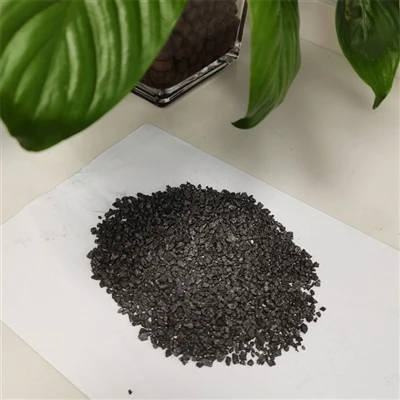
The amount of blast furnace (BF) coke required for a blast furnace per day depends on several factors. As a reliable BF coke supplier, I am well - acquainted with the intricacies of this matter. Let's delve into the key elements that influence the daily coke consumption of a blast furnace.
1. Blast Furnace Size and Capacity
The most obvious factor is the size of the blast furnace. Larger blast furnaces with higher production capacities generally require more BF coke. A small - scale blast furnace with a daily production of around 1000 tons of hot metal may consume approximately 300 - 500 tons of coke per day. In contrast, a large - scale modern blast furnace capable of producing 5000 tons or more of hot metal daily can consume upwards of 1500 tons of BF coke per day.
The relationship between furnace volume and coke consumption is not strictly linear. As the furnace size increases, the efficiency of the process may improve to some extent, but the overall demand for coke still rises significantly. For example, a furnace with a volume of 1000 cubic meters may have a different coke - to - hot - metal ratio compared to a 5000 - cubic - meter furnace. The larger furnace may achieve better heat utilization and gas flow distribution, but it also needs more coke to support the larger - scale chemical reactions and maintain the high - temperature environment necessary for ironmaking.
2. Quality of Raw Materials
The quality of the raw materials used in the blast furnace, especially the iron ore and sinter, has a profound impact on coke consumption. High - quality iron ore with a high iron content and low impurities requires less coke for reduction. If the iron ore has a high Fe content (e.g., above 65%), it means that there is less gangue material to be removed, and thus less energy (from coke combustion) is needed for the reduction process.
On the other hand, if the iron ore has a high content of phosphorus, sulfur, or other impurities, more coke is required. The additional coke is used to generate the high temperatures needed to remove these impurities through slagging and other refining processes. For instance, if the sulfur content in the iron ore is high, more coke is burned to increase the temperature and promote the reaction of sulfur with lime (CaO) in the slag to form calcium sulfide (CaS), which can then be separated from the molten iron.
The Coke Fine we supply is carefully processed to meet the high - quality standards required for efficient blast furnace operation. Its consistent particle size and high carbon content ensure stable combustion and reduction reactions in the furnace, helping to optimize coke consumption.


3. Operating Conditions
The operating conditions of the blast furnace, such as the blast temperature, oxygen enrichment, and burden distribution, also play a crucial role in determining coke consumption.
A higher blast temperature can significantly reduce the amount of coke needed. When the hot blast temperature is increased, more heat is provided to the blast furnace, reducing the reliance on coke combustion for heat generation. For example, an increase in blast temperature from 1000°C to 1200°C can lead to a reduction in coke consumption of about 15 - 20 kg per ton of hot metal.
Oxygen enrichment is another important operating parameter. By injecting oxygen into the blast furnace, the combustion efficiency of coke is improved, and the overall gas volume in the furnace is reduced. This allows for a more concentrated heat source and faster reduction reactions. A 1% increase in oxygen enrichment in the blast can typically reduce coke consumption by about 10 - 12 kg per ton of hot metal.
Proper burden distribution is essential for maintaining a stable and efficient blast furnace operation. A well - designed burden distribution ensures uniform gas flow and heat transfer in the furnace. If the burden is not distributed evenly, there may be local areas of poor gas - solid contact, leading to incomplete reduction reactions and increased coke consumption.
4. Coke Quality
The quality of BF coke itself is a critical factor. High - quality coke has several properties that contribute to lower coke consumption. Firstly, it has a high fixed carbon content. The Billets, Steel Raw Material Uses Of Metallurgical Coke FC 85%min we offer has a minimum fixed carbon content of 85%, which means more energy is available from each unit of coke for the reduction and heating processes in the blast furnace.
Secondly, good coke should have high mechanical strength. Coke with high strength can withstand the pressure and abrasion in the blast furnace without excessive degradation. If the coke breaks down easily, it can lead to poor gas permeability in the furnace, causing uneven gas flow and increased coke consumption.
The reactivity of coke is also important. Moderate reactivity is desirable as it allows for efficient reduction of iron oxides while maintaining the structural integrity of the coke bed. Our Coke Breeze10 - 30mm is carefully formulated to have the right balance of reactivity and strength, ensuring optimal performance in the blast furnace.
Estimating the Daily Coke Requirement
To estimate the daily coke requirement for a blast furnace, we can use the following general approach. First, we need to know the target daily production of hot metal (in tons). Then, we determine the coke - to - hot - metal ratio (in kg of coke per ton of hot metal). This ratio can vary widely depending on the factors mentioned above, typically ranging from 300 - 600 kg of coke per ton of hot metal.
For example, if a blast furnace has a daily hot - metal production target of 3000 tons and the coke - to - hot - metal ratio is 400 kg/ton, then the daily coke requirement is 3000 tons × 400 kg/ton = 1200000 kg = 1200 tons.
It's important to note that this is a simplified calculation, and in real - world scenarios, continuous monitoring and adjustment of the process are necessary to optimize coke consumption.
Importance of a Reliable Coke Supplier
As a BF coke supplier, we understand the critical role that high - quality coke plays in the blast furnace operation. Our commitment to quality control ensures that every batch of coke we supply meets the strictest standards. We have advanced production facilities and processes that allow us to produce coke with consistent quality in terms of fixed carbon content, strength, and reactivity.
We also offer technical support to our customers. Our team of experts can assist in analyzing the specific requirements of each blast furnace operation, considering factors such as raw material quality, operating conditions, and furnace design. By working closely with our customers, we can help them optimize their coke consumption, reduce production costs, and improve the overall efficiency of their blast furnace operations.
Contact Us for Procurement
If you are in the market for high - quality BF coke and want to discuss your specific requirements, we are here to help. Our experienced sales team is ready to provide you with detailed product information, competitive pricing, and reliable delivery services. Whether you operate a small - scale blast furnace or a large - scale industrial plant, we have the expertise and resources to meet your needs. Get in touch with us to start a productive discussion about your blast furnace coke procurement.
References
- Smith, J. (2018). Blast Furnace Ironmaking: Theory and Practice. Elsevier.
- Jones, R. (2020). Coke Technology for the Iron and Steel Industry. Wiley.