Hey there! I'm a supplier of carbon raisers, and today I wanna chat about what the carbon raisers in the agricultural sector are. You might be wondering, "Why should I care about carbon raisers in farming?" Well, let me tell you, they play a pretty important role.
First off, let's understand what carbon raisers are. In simple terms, carbon raisers are substances that are used to increase the carbon content in a particular environment. In the agricultural sector, this can have a whole bunch of benefits.
One of the main carbon raisers in agriculture is organic matter. When we talk about organic matter, we're referring to things like manure, compost, and crop residues. These materials are rich in carbon, and when they're added to the soil, they can do wonders. For example, manure is a great source of carbon. It's been used by farmers for ages. When you spread manure on your fields, it not only adds carbon but also other essential nutrients like nitrogen, phosphorus, and potassium. Compost is another fantastic option. You can make your own compost at home or on the farm by collecting kitchen scraps, yard waste, and other organic materials. As these materials break down, they release carbon into the soil, improving its structure and fertility. Crop residues, such as straw and leaves, can also be left on the field after harvest. They slowly decompose, adding carbon and other nutrients back into the soil.
Another type of carbon raiser that's gaining popularity in the agricultural sector is biochar. Biochar is a form of charcoal that's produced by heating organic materials, like wood or agricultural waste, in a low - oxygen environment. This process, called pyrolysis, creates a highly porous material that can hold onto carbon for a long time. When biochar is added to the soil, it can improve water retention, reduce soil erosion, and enhance the activity of beneficial soil microorganisms. It's like a little superhero for the soil!


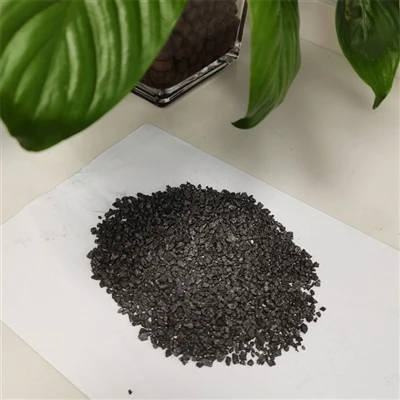
Now, apart from these natural carbon raisers, there are also some industrial - derived carbon raisers that can be used in agriculture. One such example is Calcined Anthracite Coal. Calcined anthracite coal is a high - carbon material that can be used to boost the carbon content in the soil. It's often used in situations where a quick increase in carbon is needed. It has a high carbon content and can help improve soil structure and nutrient availability.
Recarburizer For Steel And Casting can also have applications in agriculture. Although it's primarily used in the steel and casting industries, some of its properties can be beneficial for the soil. The carbon in the recarburizer can be slowly released into the soil, contributing to its carbon pool.
So, why is increasing the carbon content in the agricultural soil so important? Well, for starters, it helps in carbon sequestration. Carbon sequestration is the process of capturing and storing carbon dioxide from the atmosphere. By increasing the carbon content in the soil, we can effectively remove carbon dioxide from the air and store it in the ground. This is crucial in the fight against climate change.
Moreover, carbon - rich soils are more fertile. They can hold onto water and nutrients better, which means that crops can grow more healthily. This leads to higher yields and better - quality produce. Carbon also helps in promoting the growth of beneficial soil organisms, such as earthworms and bacteria. These organisms play a vital role in breaking down organic matter, releasing nutrients, and improving soil structure.
In addition, carbon - rich soils are more resilient to environmental stresses. They can better withstand droughts, floods, and extreme temperatures. This is because the carbon in the soil helps to bind soil particles together, creating a more stable structure that can hold onto water and nutrients during difficult conditions.
Now, if you're a farmer or someone involved in the agricultural sector, you might be thinking about how to incorporate these carbon raisers into your farming practices. Well, it depends on your specific needs and the type of soil you have. If you have a large amount of organic waste on your farm, making compost or using crop residues might be a cost - effective option. You can start by setting up a composting area and collecting all your organic materials there. Turn the compost regularly to speed up the decomposition process.
If you're looking for a more concentrated source of carbon, biochar or industrial - derived carbon raisers like calcined anthracite coal might be a good choice. You can apply them directly to the soil according to the recommended application rates. It's always a good idea to do a soil test first to determine the current carbon content and other nutrient levels in your soil. This will help you make more informed decisions about which carbon raisers to use and how much to apply.
As a supplier of carbon raisers, I've seen firsthand the positive impact that these materials can have on agricultural soils. I'm passionate about helping farmers improve their soil health and productivity. If you're interested in learning more about the carbon raisers I offer or if you have any questions about how to use them in your farming operations, I'd love to hear from you. Whether you're looking for natural options like biochar or industrial - derived ones like calcined anthracite coal, I can provide you with high - quality products and expert advice.
So, don't hesitate to reach out and start a conversation. Let's work together to make your farm more sustainable and productive by increasing the carbon content in your soil. You can get in touch with me to discuss your specific needs and explore the best carbon - raising solutions for your agricultural land.
References
- Lal, R. (2004). Soil carbon sequestration impacts on global climate change and food security. Science, 304(5677), 1623 - 1627.
- Lehmann, J., & Joseph, S. (2009). Biochar for environmental management: An introduction. Earthscan.
- Sohi, S. P., Krull, E., Lopez - Capel., A., & Bol, R. (2010). A review of biochar and its use and function in soil. Advances in Agronomy, 105, 47 - 82.