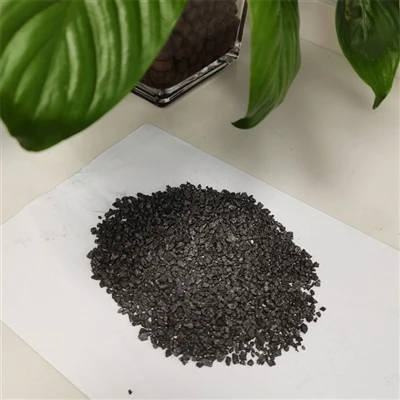
As a supplier of High - Quality Dry Semi Coke, I've witnessed firsthand how this remarkable product is influencing technological exchanges between different regions. In this blog, I'll delve into the various impacts that High - Quality Dry Semi Coke has on these exchanges, exploring both the positive and potential challenges.


1. Facilitating Technological Innovation through Energy - Efficiency
High - Quality Dry Semi Coke is known for its high calorific value and low ash content. These properties make it an ideal energy source in many industrial processes. When regions start using this product, they often need to adapt their existing technologies or develop new ones to fully utilize its advantages.
For example, in the metallurgical industry, Dry Semi Coke can be used as a reducing agent. Regions that previously relied on other forms of carbon sources may find that the use of High - Quality Dry Semi Coke requires adjustments in their smelting furnaces and related equipment. This need for adaptation spurs technological innovation. Engineers and researchers in these regions collaborate to optimize the processes, which in turn leads to the exchange of knowledge and expertise between different technological teams.
This exchange is not limited to a single industry. The energy - efficiency of Dry Semi Coke also makes it attractive in power generation. Regions looking to improve their power - generation efficiency may adopt new combustion technologies specifically designed for Dry Semi Coke. These new technologies can then be shared and refined through international conferences, research partnerships, and joint projects. The Dry Semi Coke has thus become a catalyst for the cross - regional flow of technological ideas.
2. Promoting Environmental Technologies
In today's world, environmental protection is a top priority. High - Quality Dry Semi Coke, with its relatively low sulfur and volatile matter content, is more environmentally friendly compared to some traditional fuels. When regions switch to using this product, they are also more likely to invest in and develop environmental technologies.
For instance, the use of Dry Semi Coke in industrial boilers can reduce the emission of harmful pollutants such as sulfur dioxide and particulate matter. However, to further minimize the environmental impact, regions may develop and implement advanced flue - gas treatment technologies. These technologies can include desulfurization, denitrification, and dust - removal systems.
The development of such environmental technologies often involves cooperation between different regions. Companies and research institutions from various parts of the world share their experiences and best practices. For example, a region with advanced desulfurization technology may collaborate with another region that has expertise in dust - removal systems. This cross - regional cooperation not only helps in reducing the environmental impact of using Dry Semi Coke but also promotes the overall development of environmental protection technologies.
3. Strengthening Supply - Chain Technologies
As a supplier of High - Quality Dry Semi Coke, I understand the importance of an efficient supply chain. The transportation, storage, and handling of Dry Semi Coke require specific technologies to ensure its quality and safety. These technologies also play a significant role in the technological exchanges between different regions.
In terms of transportation, regions may develop specialized shipping and railway transportation technologies for Dry Semi Coke. For example, some regions use covered wagons or sealed containers to prevent dust pollution during transportation. Others may develop advanced loading and unloading equipment to improve efficiency. These technologies can be shared and adopted by other regions, leading to an overall improvement in the global supply - chain for Dry Semi Coke.
Storage is another aspect where technological exchanges occur. High - Quality Dry Semi Coke needs to be stored in a way that prevents moisture absorption and spontaneous combustion. Different regions may have different storage technologies, such as silos with advanced ventilation systems or underground storage facilities. By sharing these technologies, regions can learn from each other and optimize their storage methods.
4. Impact on Traditional Industries and Skills Transfer
The introduction of High - Quality Dry Semi Coke can have a profound impact on traditional industries in different regions. In some areas, traditional industries may be slow to adapt to the use of this new product. However, as the benefits of Dry Semi Coke become more apparent, these industries are forced to change.
For example, in the foundry industry, the use of Dry Semi Coke can improve the quality of castings. But this requires workers to have new skills and knowledge. Regions with more advanced foundry technologies using Dry Semi Coke can share their training programs and best practices with other regions. This skills transfer is an important part of the technological exchange.
Workers from different regions may also participate in international training courses and workshops. These events provide opportunities for them to learn from each other, exchange ideas, and gain new perspectives on using Dry Semi Coke in their industries. This not only helps in improving the skills of the workforce but also promotes the spread of related technologies.
5. Challenges in Technological Exchanges
While High - Quality Dry Semi Coke has many positive impacts on technological exchanges, there are also some challenges. One of the main challenges is the difference in technological standards between different regions. Each region may have its own set of standards for the quality, use, and safety of Dry Semi Coke.
These differences can create barriers to the exchange of technologies. For example, a region with strict quality standards for Dry Semi Coke may be reluctant to adopt technologies from a region with lower standards. To overcome this challenge, international organizations and industry associations need to play a role in harmonizing these standards.
Another challenge is the cost of technology transfer. Developing and implementing new technologies related to Dry Semi Coke can be expensive. Some regions, especially developing regions, may not have the financial resources to invest in these technologies. International cooperation and financial support may be needed to help these regions bridge the technological gap.
6. Market - Driven Technological Exchanges
The market demand for High - Quality Dry Semi Coke also drives technological exchanges between different regions. As the global market for Dry Semi Coke expands, regions are constantly looking for ways to improve their competitiveness.
For example, regions that can produce Dry Semi Coke more efficiently or with better quality will have an advantage in the market. To achieve this, they invest in research and development to develop new production technologies. These technologies can then be shared through licensing agreements, joint ventures, or technology transfer projects.
The market also encourages the development of related products. For instance, the demand for Gas coke 6 - 18mm and Low Price Lam Coke has led to the development of new production and processing technologies. These technologies are often shared between regions to meet the diverse market needs.
Conclusion and Call to Action
In conclusion, High - Quality Dry Semi Coke has had a significant impact on the technological exchanges between different regions. It has promoted innovation in energy - efficiency, environmental protection, supply - chain management, and skills transfer. However, there are also challenges that need to be addressed.
If you are interested in learning more about our High - Quality Dry Semi Coke or exploring potential cooperation opportunities, I encourage you to reach out for procurement and further discussions. Let's work together to drive the development of related technologies and contribute to a more sustainable and efficient global market.
References
- Smith, J. (2020). "Advances in Semi - Coke Utilization Technologies". Journal of Industrial Chemistry.
- Johnson, A. (2021). "Environmental Impacts and Solutions in Semi - Coke Production". Environmental Science Review.
- Brown, B. (2019). "Supply Chain Management for Dry Semi Coke". Logistics and Supply Chain Journal.