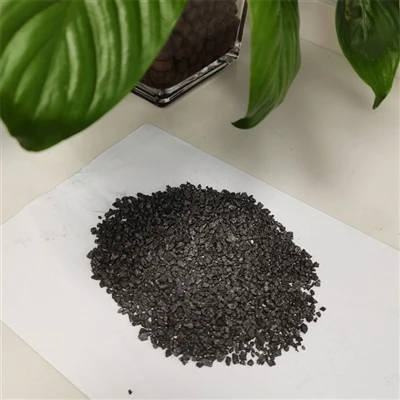
As a supplier of Blast Furnace Met Coke, I understand the critical importance of ensuring the quality of our product. High - quality Blast Furnace Met Coke is essential for the efficient operation of blast furnaces in the metallurgical industry. In this blog, I will discuss the various methods for analyzing the quality of Blast Furnace Met Coke.
Proximate Analysis
Proximate analysis is one of the fundamental methods for evaluating the quality of Blast Furnace Met Coke. It involves determining the moisture content, volatile matter, ash content, and fixed carbon content of the coke.
The moisture content of coke is an important parameter as it affects the energy consumption during the blast furnace operation. High moisture content in coke means that more heat is required to evaporate the water, which can lead to increased fuel consumption. To measure the moisture content, a sample of coke is dried in an oven at a specific temperature (usually around 105 - 110°C) until a constant weight is achieved. The loss in weight represents the moisture content.
Volatile matter in coke is the portion of the coke that is released as gas when heated in the absence of air. A high volatile matter content can indicate incomplete carbonization during the coking process. It is determined by heating a sample of coke in a covered crucible at a high temperature (around 900°C) for a specific period. The loss in weight after this heating process represents the volatile matter content.
Ash content is another crucial factor. Ash is the non - combustible residue left after the complete combustion of coke. High ash content in coke can reduce the thermal efficiency of the blast furnace and cause problems such as slagging and increased wear on furnace refractories. To determine the ash content, a sample of coke is burned in a muffle furnace at a high temperature (around 815°C) until only ash remains.
Fixed carbon is calculated by subtracting the sum of moisture, volatile matter, and ash content from 100%. It represents the remaining carbon in the coke after the removal of moisture and volatile matter and is an indicator of the coke's heating value and reactivity.
Ultimate Analysis
Ultimate analysis focuses on determining the elemental composition of Blast Furnace Met Coke. The main elements analyzed are carbon (C), hydrogen (H), oxygen (O), nitrogen (N), and sulfur (S).
Carbon is the most abundant element in coke and is the primary source of energy in the blast furnace. The carbon content is related to the heating value of the coke, and a higher carbon content generally indicates better quality coke.
Hydrogen is present in coke in small amounts and is mainly associated with the volatile matter. The presence of hydrogen can affect the combustion characteristics of the coke.
Oxygen can be present in the form of oxides in the ash or combined with other elements in the coke structure. High oxygen content can reduce the reactivity and heating value of the coke.
Nitrogen is present in trace amounts in coke. Although its direct impact on the blast furnace process is relatively small, excessive nitrogen can contribute to the formation of nitrogen oxides during combustion, which are environmental pollutants.
Sulfur is a critical element in coke quality analysis. High sulfur content in coke can lead to increased sulfur content in the molten iron, which can affect the quality of the final steel product. Sulfur also has a corrosive effect on furnace components. Various methods, such as the combustion - titration method and the infrared absorption method, can be used to determine the sulfur content in coke.
Coke Reactivity Index (CRI) and Coke Strength after Reaction (CSR)
The Coke Reactivity Index (CRI) and Coke Strength after Reaction (CSR) are two important indicators of the quality of Blast Furnace Met Coke.
CRI measures the reactivity of coke with carbon dioxide at high temperatures (usually around 1100°C). Coke reacts with carbon dioxide according to the reaction: C + CO₂ = 2CO. A high CRI value indicates that the coke is more reactive, which can lead to excessive gasification of the coke in the blast furnace and may cause problems such as loss of coke strength and increased gas consumption.
CSR measures the strength of the coke after it has reacted with carbon dioxide. After the CRI test, the reacted coke is subjected to a tumbling test. The CSR is the percentage of the coke that remains +10mm in size after the tumbling test. High CSR values are desirable as they indicate that the coke can maintain its strength and provide good permeability in the blast furnace.
Testing for CRI and CSR is standardized. Samples of coke are first prepared according to specific size requirements and then loaded into a tube furnace filled with carbon dioxide. After the reaction, the coke is treated and tested for strength.
Granulometric Analysis
Granulometric analysis, or particle size analysis, is important for Blast Furnace Met Coke. The particle size distribution of coke affects the permeability of the blast furnace burden.
A well - graded coke with an appropriate particle size distribution ensures good gas flow through the blast furnace. Coarse coke particles can provide better void space for gas flow, but if the particles are too large, it may lead to poor contact between the coke and the iron ore and other burden materials. On the other hand, fine coke particles can fill the voids and reduce the permeability.
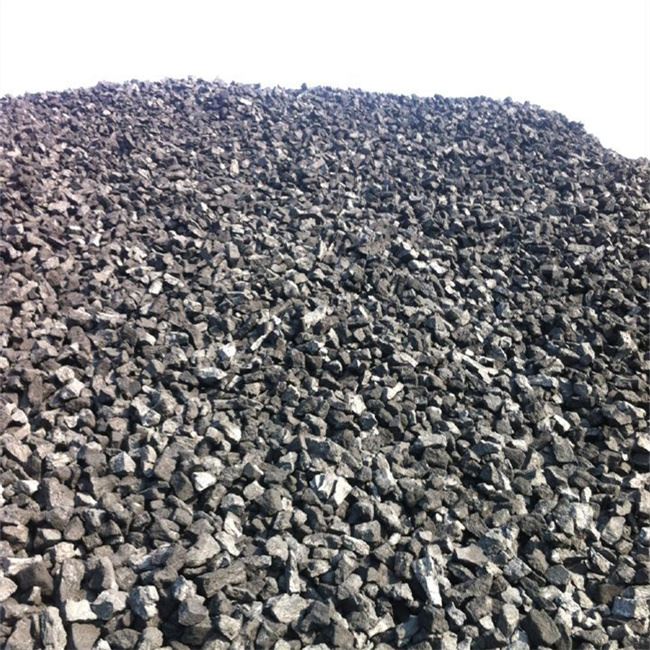
Particle size analysis is usually carried out using a series of sieves with different mesh sizes. A sample of coke is placed on the top - most sieve and then shaken mechanically. The coke is separated into different size fractions on each sieve, and the weight of each fraction is measured. The results are then presented in the form of a particle size distribution curve.
Microstructural Analysis
Microstructural analysis of Blast Furnace Met Coke can provide insights into its physical and chemical properties. Optical microscopy, scanning electron microscopy (SEM), and transmission electron microscopy (TEM) are commonly used techniques.
Optical microscopy can be used to observe the macroscopic structure of coke, such as the distribution of coke pores and the presence of cracks. The pore structure of coke affects its reactivity and strength. A well - developed pore structure can increase the surface area available for reaction, but excessive porosity can reduce the strength of the coke.
SEM allows for a more detailed examination of the coke surface at a higher magnification. It can reveal the morphology of the coke particles, the presence of inclusions, and the structure of the coke matrix.

TEM can provide atomic - level information about the coke structure, which is useful for understanding the chemical bonding and crystal structure in the coke, especially in relation to its reactivity and other properties.
Importance of Quality Analysis for Our Business
As a Blast Furnace Met Coke supplier, accurate quality analysis is crucial for our business. By using these various analysis methods, we can ensure that the coke we supply meets the strict quality requirements of our customers in the metallurgical industry.
We can provide customers with detailed quality reports, which include the results of proximate analysis, ultimate analysis, CRI, CSR, granulometric analysis, and microstructural analysis. This transparency builds trust with our customers and helps them to make informed decisions about the use of our coke in their blast furnaces.
Moreover, continuous quality analysis allows us to improve our coking process. By monitoring the quality of the coke at different stages of production, we can identify areas for improvement, adjust the production parameters, and produce coke of consistent high quality.
If you are interested in purchasing high - quality Blast Furnace Met Coke, please visit our product pages: Coke Breeze | Metallurgy, Metallurgical Coke Breeze, Met Coke 30 - 80mm, Met Coke Fine Chinese Wholesaler, and Blast Furnace Met Coke. We are always ready to discuss your specific requirements and provide you with the best - suited coke products.
References
- ASTM International. (20XX). Standard test methods for analysis of coke. ASTM standards.
- ISO. (20XX). International standards for coke quality analysis. ISO publications.
- Smith, J. (20XX). "Quality control of metallurgical coke in the blast furnace industry." Journal of Metallurgical Engineering, Vol. XX, pp. XX - XX.