

Hey there! As a met coke supplier, I often get asked about the typical carbon content of met coke. So, I thought I'd share some insights on this topic.
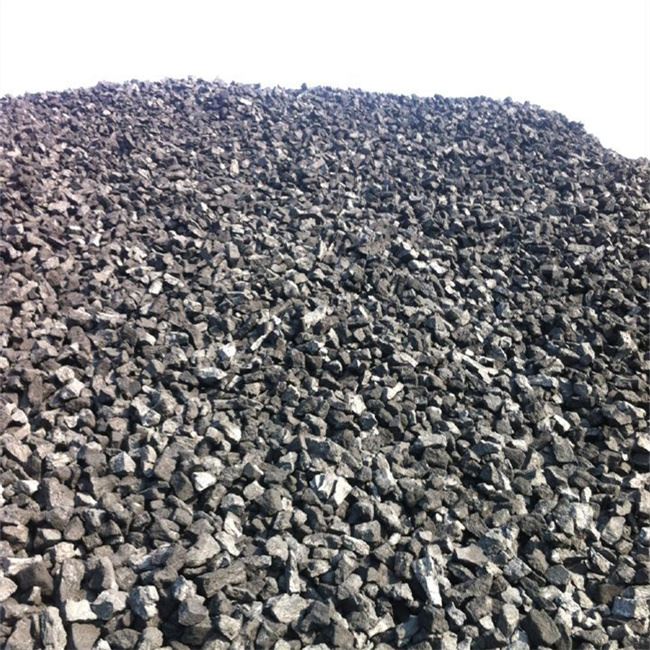
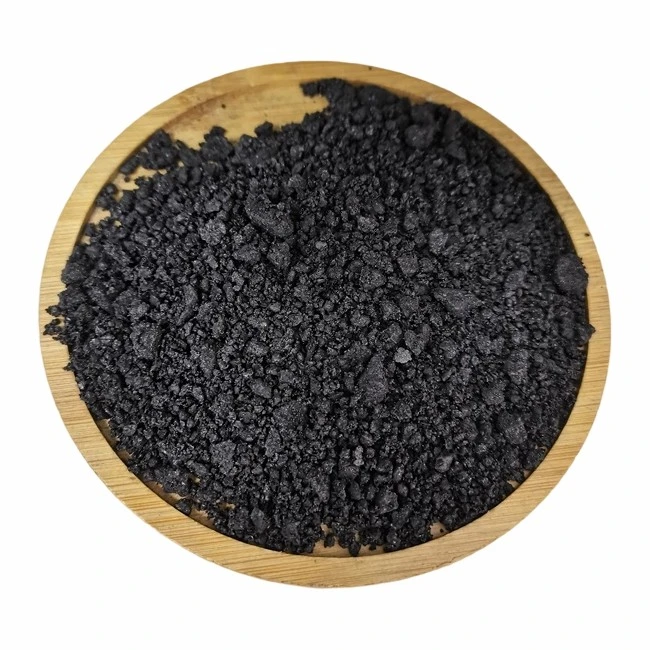
Metallurgical coke, or met coke for short, is a crucial material in the steel - making industry. It's used as a fuel and a reducing agent in blast furnaces. The carbon content of met coke is one of the most important factors that determine its quality and performance.
What Affects the Carbon Content?
The carbon content of met coke can vary depending on several factors. First off, the type of coal used in its production plays a huge role. Different coals have different carbon contents and chemical properties. For example, bituminous coal is commonly used to make met coke. Bituminous coal usually has a relatively high carbon content, which can range from about 77% to 87%. When this coal is heated in a coke oven to produce met coke, the process of carbonization occurs. During carbonization, volatile matter is driven off, and the carbon content in the resulting coke increases.
The coking process itself also affects the carbon content. The temperature and duration of the coking process are key variables. Higher temperatures and longer coking times generally lead to a higher carbon content in the met coke. However, there's a balance to be struck. If the temperature is too high or the coking time is too long, it can lead to excessive cracking and a decrease in the coke's strength and reactivity.
Typical Carbon Content Ranges
Typically, the carbon content of high - quality met coke is in the range of 88% to 92%. This high carbon content is essential for its use in blast furnaces. When met coke with a high carbon content is burned in a blast furnace, it provides the necessary heat for the smelting process. The carbon also acts as a reducing agent, reacting with iron ore to remove oxygen and produce molten iron.
Let's break down why this range is so important. A carbon content below 88% may not provide enough heat or reducing power. The furnace may not reach the required temperatures for efficient iron smelting, and the reduction of iron ore may be incomplete. On the other hand, a carbon content above 92% can make the coke too hard and less reactive. This can lead to problems with gas permeability in the blast furnace, affecting the overall efficiency of the process.
Different Types of Met Coke and Their Carbon Content
There are different types of met coke, and their carbon contents can vary slightly. For instance, Blast Furnace Met Coke is specifically designed for use in blast furnaces. It usually has a carbon content towards the higher end of the typical range, around 90% - 92%. This is because blast furnaces require a high - energy fuel and a strong reducing agent to convert iron ore into molten iron.
Injection Coke Dry Coke Powder0 - 15mm is another type of met coke product. It's often injected into the blast furnace along with other fuels. The carbon content of this type of coke powder is also in the typical range, but it may be more optimized for reactivity. Since it's in a powder form, it needs to react quickly with the gases in the furnace.
Coke Fine is a by - product of the met coke production process. It has a slightly lower carbon content compared to the main blast furnace met coke, usually around 88% - 90%. Coke fine can still be used in some industrial processes, but it may require different handling and processing.
Quality Control and Carbon Content
As a met coke supplier, quality control is a top priority. We use various techniques to ensure that the carbon content of our met coke meets the required standards. One common method is chemical analysis. We take samples of the coke and use techniques like proximate analysis and ultimate analysis. Proximate analysis determines the moisture, volatile matter, ash, and fixed carbon content of the coke. Ultimate analysis provides more detailed information about the elemental composition, including the carbon, hydrogen, nitrogen, sulfur, and oxygen content.
We also conduct physical tests on the met coke. These tests measure properties like strength, reactivity, and size distribution. A high - quality met coke should have good strength to withstand the mechanical stresses in the blast furnace. It should also have an appropriate reactivity to ensure efficient combustion and reduction reactions.
Why Carbon Content Matters for Customers
For our customers in the steel - making industry, the carbon content of met coke is directly related to the efficiency and cost of their operations. A met coke with the right carbon content can help them achieve higher productivity in their blast furnaces. It can reduce the amount of energy required for the smelting process, which in turn lowers production costs.
Moreover, the quality of the molten iron produced in the blast furnace is also affected by the carbon content of the met coke. A consistent carbon content ensures a more stable and predictable iron - making process. This leads to better - quality steel products with fewer impurities.
Contact Us for Met Coke Procurement
If you're in the market for high - quality met coke, we'd love to have a chat with you. Our team of experts can provide you with detailed information about the carbon content and other properties of our met coke products. Whether you need Blast Furnace Met Coke, Injection Coke Dry Coke Powder0 - 15mm, or Coke Fine, we can offer you the right solution for your specific needs. Contact us today to start the procurement process and take your steel - making operations to the next level.
References
- "The Iron and Steel Industry: A Guide to Production Processes" by Steel Institute
- "Coal and Coke Technology" by Energy Research Center


